Bayswater Road bulky rubbish pickup advice near Hyde Park
Posted on 10/08/2026

If you live, work, or manage property around Bayswater Road and Hyde Park, bulky rubbish has a way of showing up at the least convenient moment. A broken wardrobe. An old mattress leaning in the hallway. A pile of flat-pack packaging after a refurb that somehow keeps growing. This guide on Bayswater Road bulky rubbish pickup advice near Hyde Park is here to make the whole process less awkward, less messy, and a lot more manageable.
The main challenge in this part of London is not just the rubbish itself. It is access, timing, neighbours, traffic, parking, and the simple fact that a large item can be much harder to move than it looks. Near Hyde Park, a careful approach matters. Done well, bulky waste removal is quick and orderly. Done badly, it can become cluttered, expensive, and honestly a bit stressful. Let's keep it straightforward.
Why Bayswater Road bulky rubbish pickup advice near Hyde Park matters
Bulky rubbish in this area is not the same as a quick bin run. Bayswater Road sits in a busy, high-footfall part of west London, and Hyde Park nearby means you are often dealing with narrow windows for loading, strict kerbside etiquette, and buildings that may have limited storage or lift access. A sofa outside at the wrong time can block a pavement. A mattress left overnight can attract complaints. Nobody wants that.
Good advice matters because bulky waste is a logistics problem as much as a disposal problem. You need to think about the item size, whether it can be dismantled, how it will be carried, where it will be parked, and who will take responsibility if something gets damaged on the way out. That is especially true for flats, mansion blocks, short-let turnovers, and commercial premises close to Hyde Park and Lancaster Gate.
If you are also trying to understand the local context a bit better, it can help to read more about the neighbourhood itself. For example, local advice on whether Bayswater suits your needs gives a useful sense of the area's character, while Bayswater's green spaces and busy streets shows why access and timing can be so different from one road to the next.
In plain English: the right pickup advice helps you avoid hassle, stay polite to neighbours, and get the job done without the classic last-minute scramble. Which, to be fair, most of us have had once or twice.
How Bayswater Road bulky rubbish pickup advice near Hyde Park works
There are usually three broad routes for bulky rubbish pickup in this part of London: arrange a council-style collection where available, book a private bulky waste removal service, or break the job into smaller disposal trips yourself. Each option has its place, but the best one depends on the item, urgency, access, and how much lifting you want to do.
For many households, the process starts with sorting. Separate reusable items, recyclable materials, and true waste. A lot of bulky pieces are not just "one thing"; they are a frame, fabric, foam, wood, metal fixings, and a few mystery screws that appear only when you move the item. If you can dismantle safely, do it. If not, avoid forcing it. A scratched hallway wall is never a good trade.
Near Hyde Park, buildings often have shared entrances, concierge desks, or resident rules about moving rubbish through common areas. So the "how" is not only about collection; it is also about coordination. Good advice means telling occupants when the collection will happen, checking lift availability, and choosing a time that avoids school runs, guest changeovers, or the evening traffic squeeze.
For larger clear-outs, it is worth looking at service pages that explain broader waste handling options, such as rubbish collection in Bayswater and general waste removal support. Those pages are useful if your bulky waste is part of a wider clear-out rather than a single-item pickup.
Key benefits and practical advantages
When bulky rubbish is handled properly, the benefits show up quickly. The obvious one is space. A reclaimed room feels bigger straight away. But there are a few quieter advantages too.
- Less disruption: A planned pickup is easier on neighbours, porters, and anyone using the shared entrance.
- Safer movement: Large items can be awkward and unstable. Getting help reduces trip hazards and back strain.
- Cleaner common areas: Hallways and lobbies stay more presentable, which matters in serviced apartments and residential blocks.
- Better sorting: A proper pickup often makes it easier to separate recyclable parts from true waste.
- Time saved: One coordinated visit is usually far less painful than multiple DIY journeys.
There is also a reputation angle. In a well-kept area near Hyde Park, waste left in the wrong place can look untidy very quickly. That can affect landlords, letting agents, flat shares, and small offices alike. If you are managing property or preparing for new tenants, it is not just a cleaning issue; it is part of presentation.
Some readers also use pickup planning as part of a wider property refresh. That may overlap with house clearance in Bayswater or even office clearance for smaller workspace moves. You do not always need a huge operation. Sometimes you just need the right scale.
Who this is for and when it makes sense
This advice is useful for more people than you might think. The obvious group is homeowners and tenants with large items to remove. But the same practical issues appear across the area in rentals, managed blocks, short-term lets, retail units, and small offices.
It makes sense if you are dealing with:
- sofas, armchairs, wardrobes, beds, and mattresses
- old appliances that are too large or awkward for normal bin disposal
- broken furniture from a move-out or refurb
- bulky packaging after deliveries or renovations
- mixed rubbish from a flat clearance, office reset, or light building work
It is especially relevant if you live in a flat with stairs or a tight lift. Bayswater has plenty of buildings where the item is not the main issue; the route out is. If you have ever tried turning a wardrobe in a narrow staircase, you know the feeling. Sudden silence. A slight wobble. Then everyone pretending they totally expected that to happen.
Bulky pickup advice is also helpful for landlords and agents between tenancies, particularly in streets close to Hyde Park where quick turnarounds are common. In those situations, the best outcome is usually the calm one: remove waste, protect the walls, document what was collected, and leave the place ready for the next person.
If your clearance is part of a broader move or a property decision, you may also find Bayswater property market insights and real estate investment in Bayswater helpful for understanding why presentation and turnaround speed matter locally.
Step-by-step guidance
Here is a simple, realistic way to approach bulky rubbish pickup near Bayswater Road without making a mess of it.
- List everything you need removed. Be specific. "Furniture" is too vague; "two sofas, one broken desk, one mattress, and boxed packaging" is much better.
- Check what can be reused, donated, or recycled. A sturdy chair or clean table may not belong in the waste pile at all.
- Measure the item and the route. Door widths, stair bends, lift size, and pavement access can all affect the pickup.
- Choose your timing carefully. Morning pickups are often easier in busy London streets. Less traffic, fewer people, fewer awkward pauses.
- Prepare the item. Remove loose parts, empty drawers, tape up sharp edges, and dismantle where safe.
- Protect your property. Use blankets, cardboard, or corner protection if the item needs to pass through tight spaces.
- Confirm collection details. Make sure everyone knows what is going, where it is waiting, and who is meeting the crew.
- Do a final sweep. Tiny screws, broken fittings, and packaging scraps are easy to miss.
A small but important point: if your bulky rubbish includes mixed materials, keep them together only if the collection method allows it. Sometimes a clean separation of wood, metal, and general waste saves time later. Other times, a mixed load is perfectly fine. The best answer depends on the provider and the type of item, so ask before you drag everything to the kerb. That half-step of checking can save a headache.
Expert tips for better results
Experience shows that the best bulky pickups are the boring ones. No drama, no rushed lifting, no "we'll sort it out on the day." Here are a few practical habits that make a genuine difference.
- Book earlier than you think. If you need access at a particular time, do not leave it until the day before.
- Take photos before removal. Handy for landlords, agents, and anyone managing condition issues.
- Use two people for awkward items. Even if one person "reckons they've got it," the second pair of hands helps.
- Keep pathways clear. Shoes, prams, recycling bags, and cleaning gear have a habit of appearing right where they should not.
- Ask about mixed loads. If the job includes garden, building, or office waste too, it may be smarter to bundle it properly from the start.
Another quiet tip: think about noise. In apartment blocks, early morning hallway dragging can sound louder than you expect. Felt pads, careful lifting, and a tidy route through the building can keep relations friendly. It sounds small, but those small things matter in a place where people live right on top of each other.
If sustainability is part of your decision, have a look at the site's recycling and sustainability guidance. Even a single bulky item can sometimes be broken down in a way that supports better material recovery. Not everything, of course, but enough to be worth asking.
Common mistakes to avoid
The biggest mistakes are rarely dramatic. They are usually small, rushed decisions that snowball.
- Leaving items out too early: This can create clutter, complaints, or weather damage.
- Underestimating access issues: A sofa that looks manageable in a lounge can become a problem at the stair landing.
- Not checking what the collection includes: Some services handle certain items differently, and assumptions are where people get caught.
- Forgetting to separate valuables: Old drawers, cushions, paperwork, remotes, and chargers are easy to throw away by accident.
- Trying to force a damaged item through a tight route: That is how walls get scratched and tempers rise.
One more common issue: people assume all bulky waste can be treated the same way. In reality, a one-off household item, post-refurb debris, and a full office clear-out are different jobs. If you need support with work-related waste, it may be better to look at builders waste disposal in Bayswater or a more tailored service rather than trying to shoehorn everything into a generic pickup.
Truth be told, the fastest way to create stress is to decide that "it'll probably be fine." Sometimes it is. Sometimes it really, really isn't.
Tools, resources and recommendations
You do not need specialist kit for every bulky pickup, but the right basic tools make things safer and smoother.
- Measuring tape: Useful for doorways, lifts, stair turns, and item dimensions.
- Work gloves: Helpful for splinters, sharp edges, and grimy old fittings.
- Moving blankets or old towels: Good for protecting walls and floors.
- Strong tape and zip ties: Handy for securing drawers, doors, and loose panels.
- Phone camera: Useful for documenting item condition before removal.
- Trolley or sack truck: Only if the route and item shape make it genuinely safe to use.
On the planning side, the most useful resources are the pages that explain service scope, safety, and practical booking expectations. If you want a broader overview before arranging a pickup, the services overview is a good place to orient yourself. For reassurance on handling and liability, insurance and safety information is worth a read. And if you want to understand the commercial side without surprises, pricing and quotes and payment and security are the pages to check.
There are also a few planning-adjacent pages that can help if you are in a transition period. For example, Lancaster Gate rubbish removal tips for Bayswater flats is especially relevant if you are dealing with apartment access and shared building logistics.
Law, compliance, standards, or best practice
For bulky rubbish near Hyde Park, the key principle is simple: waste should be handled responsibly and not left in a way that causes nuisance, obstruction, or avoidable risk. In practice, that means keeping pavements clear, respecting shared entrances, and using a lawful disposal route for anything collected.
Best practice in London usually means the person generating the waste should know where it is going, what is being collected, and whether the chosen method suits the item type. If you hire a service, it is sensible to check how it handles sorting, lifting, and disposal. That is not overcautious; it is just good housekeeping.
Some items need extra care. Mattresses, sharp broken furniture, and anything with hidden weight can create handling risk. Electrical items should be separated and dealt with appropriately. If something feels borderline, treat it cautiously rather than guessing. That is especially true in shared buildings where one mistake can affect several people at once.
The safest everyday rule is this: if you are not sure whether an item is suitable for standard bulky collection, ask before you set it out. A brief check is far cheaper than a refusal, a delay, or a building complaint. And if you want more context on how the business approaches trust and accountability, the site's terms and conditions and privacy policy are there for reference.
Options, methods, or comparison table
Not every bulky rubbish job needs the same method. Here is a simple comparison to help you think it through.
| Method | Best for | Main advantage | Common drawback |
|---|---|---|---|
| Scheduled bulky pickup | Single items or moderate household waste | Simple and relatively low-effort | May require planning and waiting |
| Private collection service | Urgent jobs, flats, mixed loads, difficult access | Flexible timing and hands-on help | Often costs more than DIY |
| DIY disposal trip | People with a vehicle and time | Direct control over the process | Heavy lifting, traffic, parking, and time cost |
| Full clearance | Move-outs, refurbishments, emptying a room or property | Efficient for larger volumes | Can be overkill for one item |
My practical view? If you have one or two awkward items, a flexible pickup usually feels worth it. If you have a roomful of furniture, a structured clearance is often calmer and more cost-effective. If you have just a suitcase-sized bit of packaging, save yourself the drama and sort it properly with your regular waste route where possible.
Case study or real-world example
Here is a very typical scenario. A resident in a Bayswater flat near Hyde Park has a double bed base, a mattress, a damaged desk, and several bags of packaging after a room refresh. The building has a narrow lift, a concierge desk, and a strict no-clutter policy in the lobby.
The smart approach is to dismantle what can be dismantled, wrap sharp edges, check lift dimensions, and book a pickup window when the entrance is quiet. The resident also clears the route from the flat to the front door, lets the concierge know, and keeps the items grouped neatly rather than scattering them across the landing. Nothing fancy. Just orderly.
The result is usually far better than trying to shift everything at once on a busy Friday evening. There is less noise, less risk of damage, and less chance of irritating neighbours who are trying to get in with shopping bags and a coffee. The best part is that the flat is usable again almost immediately. You feel the difference when the last bulky item leaves. The room breathes a bit.
This sort of job is also where a more general service can be useful if the waste is mixed. For example, someone clearing a home office might pair the move with office clearance support, while a homeowner dealing with wardrobe replacements might lean on house clearance help. The right fit depends on scale, not just item type.
Practical checklist
Use this before pickup day. It keeps things simple.
- Identify every bulky item that needs removing.
- Check whether anything can be reused, donated, or recycled.
- Measure doors, stairs, lifts, and the item itself.
- Dismantle safe-to-dismantle furniture where possible.
- Remove loose contents from drawers, shelves, and cupboards.
- Protect floors, corners, and door frames.
- Confirm access arrangements with building staff or neighbours if needed.
- Choose a pickup time that avoids peak movement where possible.
- Keep pathways clear from the collection point to the exit.
- Do a final check for valuables, documents, and loose fittings.
- Make sure the collection method suits mixed waste if there is any.
That is the sort of checklist that saves a lot of back-and-forth. Not glamorous, but very effective.
Get a free quote today and see how much you can save.
Conclusion
Bulky rubbish pickup around Bayswater Road and near Hyde Park is all about reducing friction. The less you leave to chance, the better the result. Plan the route, sort the waste, respect the building, and choose the right disposal method for the job in front of you. It sounds simple because, when done well, it is simple.
If you are dealing with a single item, a flat clearance, or a mixed load after a move or refurbishment, the key is to stay realistic about access and effort. That is what good Bayswater Road bulky rubbish pickup advice near Hyde Park really means: practical, tidy, and considerate. And once the space is clear, the difference is immediate. A bit of order goes a long way.
For readers who want to explore the local area more deeply, you might also enjoy prime Bayswater party venues for a lighter look at the neighbourhood, or even the wider charm of Bayswater's streets and green spaces. Different topic, same local feel. Either way, a little care makes the whole place better.
And sometimes that is all good rubbish management is: making life feel a bit lighter, one clear space at a time.

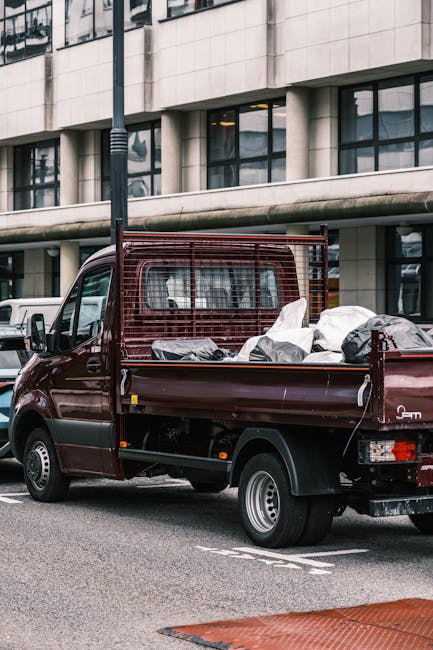
 Tipper Van - Household Rubbish Collection and Rubbish Removal Prices in Bayswater, W2
 Luton Van - Household Rubbish Collection and Rubbish Removal Prices in Bayswater, W2